
The Anatomy of a Well-Made Garment: How to Spot High-Quality Craftsmanship
In an era where fashion moves at a relentless, dizzying speed, the true art of garment-making is often lost in the rush. We are conditioned to look at the outer shell of a piece of clothing, the silhouette, the color, the trend, without ever looking inward at how it was actually built.
At Nibi, we believe that true beauty lies in the details. As a mother-daughter studio crafting slow fashion in Barcelona, our philosophy is rooted in intention. We believe that clothing should be an heirloom, designed to age gracefully alongside you. But how do you, as a conscious consumer, navigate a crowded market? How do you separate garments designed for a single season from those destined to last a lifetime?
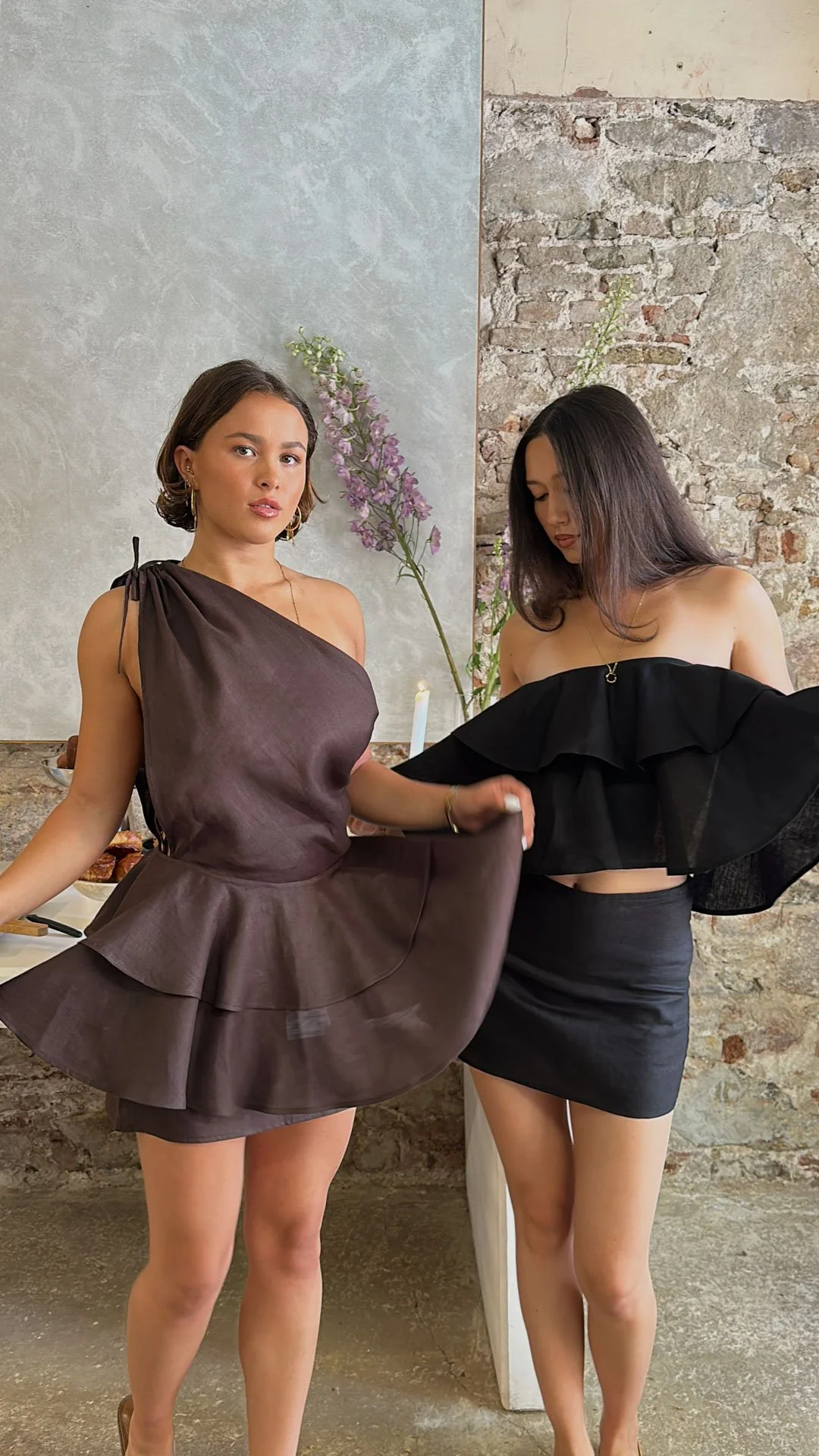
1. The Foundation: Prioritize Natural Fibers
The lifespan of a garment is fundamentally determined by the material from which it is made. Fast fashion relies heavily on synthetic fibers, like polyester, acrylic, and nylon. These materials are essentially plastics; they do not breathe, they trap heat and odor, and they shed microplastics into our oceans with every wash.
High-quality clothing begins with natural, sustainable fabrics that honor both body and earth. When shopping, always read the composition label. Look for:
Linen: The undisputed hero of the Mediterranean wardrobe. 100% linen is incredibly durable, naturally thermoregulating, and becomes softer and more beautiful with time.
Merino & Alpaca Wool: For colder months, these natural fibers offer supreme warmth without the heavy feeling of synthetic knits.
Pure Cotton: Breathable, versatile, and biodegradable.
Cupro: A plant-based fabric made from cotton linter. Known as an innovative, sustainable fiber in the textile industry, often referred to as "Vegan silk.”

2. The Interior: Look for French Seams
If you want to know the true quality of a piece of clothing, turn it inside out. The interior finish is where true craftsmanship is revealed.
In mass-produced garments, edges are usually finished quickly with a serger (an overlock stitch), leaving a bulky, exposed thread line that can easily fray or irritate the skin over time.
At Nibi, we set a higher standard by utilizing time-intensive, traditional techniques like French seams. A French seam is a method where the raw edges of the fabric are entirely folded in on themselves and sewn twice, cleanly enclosing the edge within the seam itself.
Why it matters: It prevents the fabric from fraying, dramatically extending the life of the garment. It also creates a beautifully clean, polished interior that feels smooth and luxurious against the skin.
A brand that takes the time to construct French seams is a brand that respects the garment and the person wearing it. Real craftsmanship is shown on the inside as much as the outside. French seams usually require twice the time or more, than an overlocked finish since it not only involves doble sewing but precise ironing in between to serve as a smooth layer to sew correctly the second layer.

3. The Details: Examine the Stitching and Hardware
Quality is a language spoken in stitches. When assessing a garment, look closely at the thread work.
Stitch Density: High-quality garments feature tighter, smaller, and more frequent stitches. This ensures the seam will not easily pull apart under tension. Fast fashion often uses long, loose stitches to save thread and time.
Hardware and Closures: Are the buttons securely fastened, or do they feel loose? Does the garment use an invisible zipper that glides smoothly and lies flat against the body, like the ones we feature in our Linen Mini Skirts? These small investments in hardware signal a garment made to endure.
Handmade Elements: Look for the human touch. At Nibi, our straps are made one by one, ensuring strength and precision that machines often miss.

4. The Silhouette: Mindful Draping and Tailoring
A well-made garment is designed to move with the human body, not restrict it. High-quality clothing often features mindful tailoring—like darts, pleats, and bias cuts, that allow the fabric to drape fluidly.
Fast fashion cuts corners by designing flat, two-dimensional clothing that rarely fits the contours of a living, breathing body. Slow fashion brands take the time to engineer silhouettes that offer effortless comfort and quiet elegance even if that requires individual cutting of each piece. Whether it is a pair of fluid, gender-neutral pants (link to unison pants) or a top that can be styled in multiple ways, quality tailoring is evident in how the piece falls when you put it on.

5. The Philosophy: Limited Editions over Mass Production
Finally, consider the origin of the garment. True quality cannot be mass-produced in the millions.
When clothing is churned out at breakneck speed, corners are cut, and waste is inevitable. This is why Nibi is committed to a limited-edition approach. We create in strictly numbered batches, standing firmly against overproduction. This allows us to pour our time, focus, and energy into the quality of each individual piece.
When you purchase from a limited-edition collection, you are not just buying a piece of clothing; you are acquiring a piece of art that was intentionally crafted for you.
Conclusion: An Invitation to Slow Down
Building a sustainable wardrobe is an ongoing journey of education and refinement. It requires us to look closer, ask questions, and demand more from the brands we support.
By prioritizing natural fibers, seeking out impeccable interior finishes like French seams, and valuing the human hands that craft your clothes, you transform the act of getting dressed into a daily ritual of care.
We invite you to experience the difference of slow fashion. Explore our latest handmade and vintage collections, and discover the quiet luxury of clothing crafted to stand the test of time.
Shop our socials


Frequently Asked Questions:
-
Fast fashion prioritizes speed, low costs, and mass production, often resulting in poor quality, unethical working conditions and environmental damage. Slow fashion prioritizes quality, ethical production, natural materials, and timeless design. It is about creating garments that are meant to last for years rather than a single season.
-
French seams enclose the raw edge of the fabric completely. This prevents fraying, makes the garment much more durable, and provides a smooth, polished finish on the inside of the clothing that feels comfortable against the skin.
-
Yes. Natural fibers like linen, cotton, and wool are breathable, hypoallergenic, and biodegradable.
Synthetic fabrics (like polyester) trap heat and moisture, retain odors, and release harmful microplastics into the water systems when washed.