
Understanding Slow Fashion: Embracing quality & sustainability
What is Slow Fashion?
In today's fast-paced world, the fashion industry often focuses on producing more clothes at a faster rate. But there's a growing movement that challenges this trend,it's called slow fashion. Slow fashion emphasizes quality over quantity, promoting sustainability and conscious consumerism. In this article, we'll explore what slow fashion is, why it matters, and how you can incorporate it into your wardrobe. Let's delve into the slow fashion movement and discover its transformative potential for the industry and individual consumers alike.
Understanding Slow Fashion
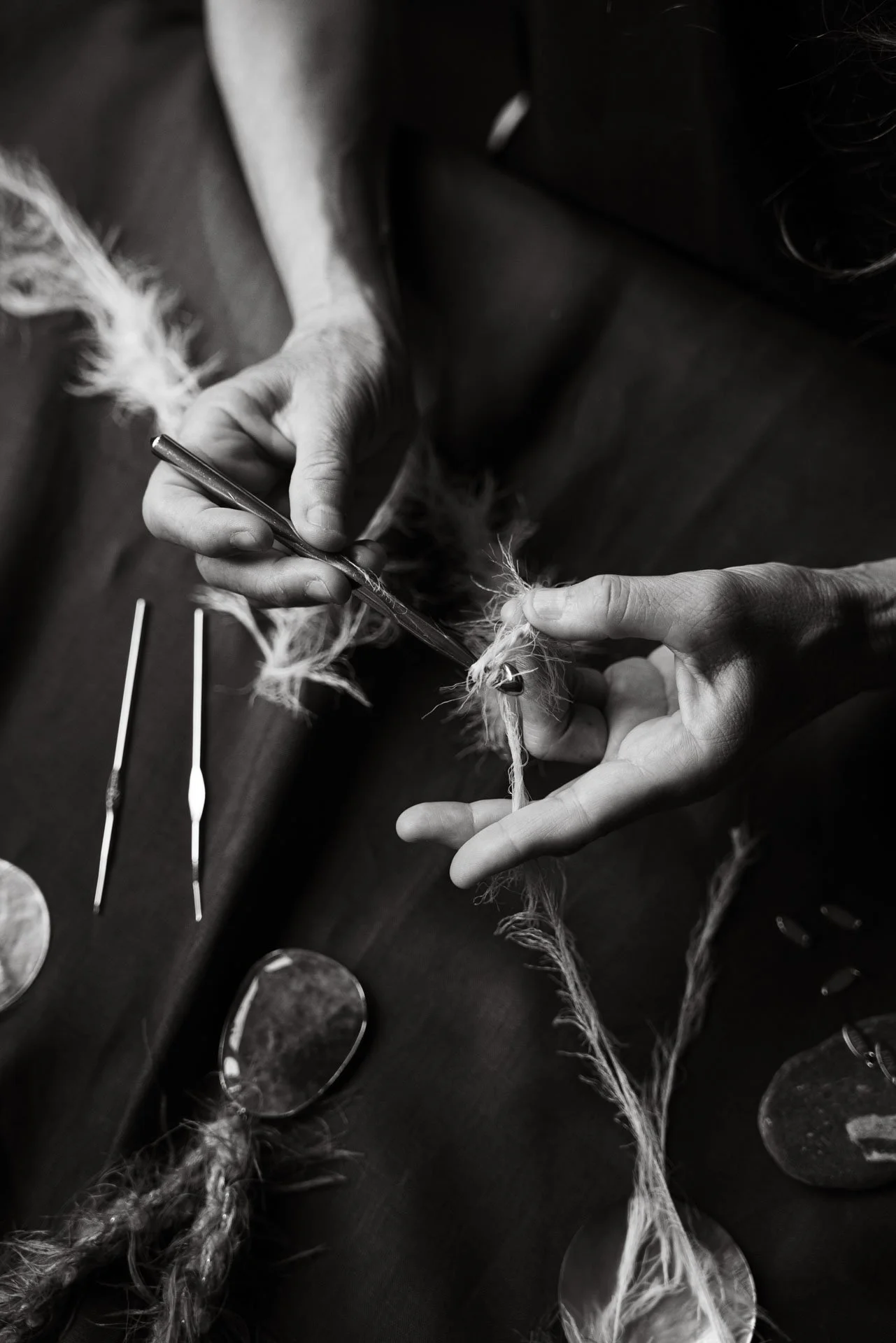
Slow fashion is a concept that encourages thoughtful purchasing decisions. Instead of buying cheap, trendy clothes that quickly go out of style, slow fashion advocates for investing in high quality, timeless pieces. It's about appreciating the craftsmanship and the story behind each garment. But slow fashion is more than just a shopping philosophy; it's a mindset that values sustainability and ethical practices. Let’s explore the core principles that define this movement and how it reshapes our approach to fashion.
The Principles of Slow Fashion
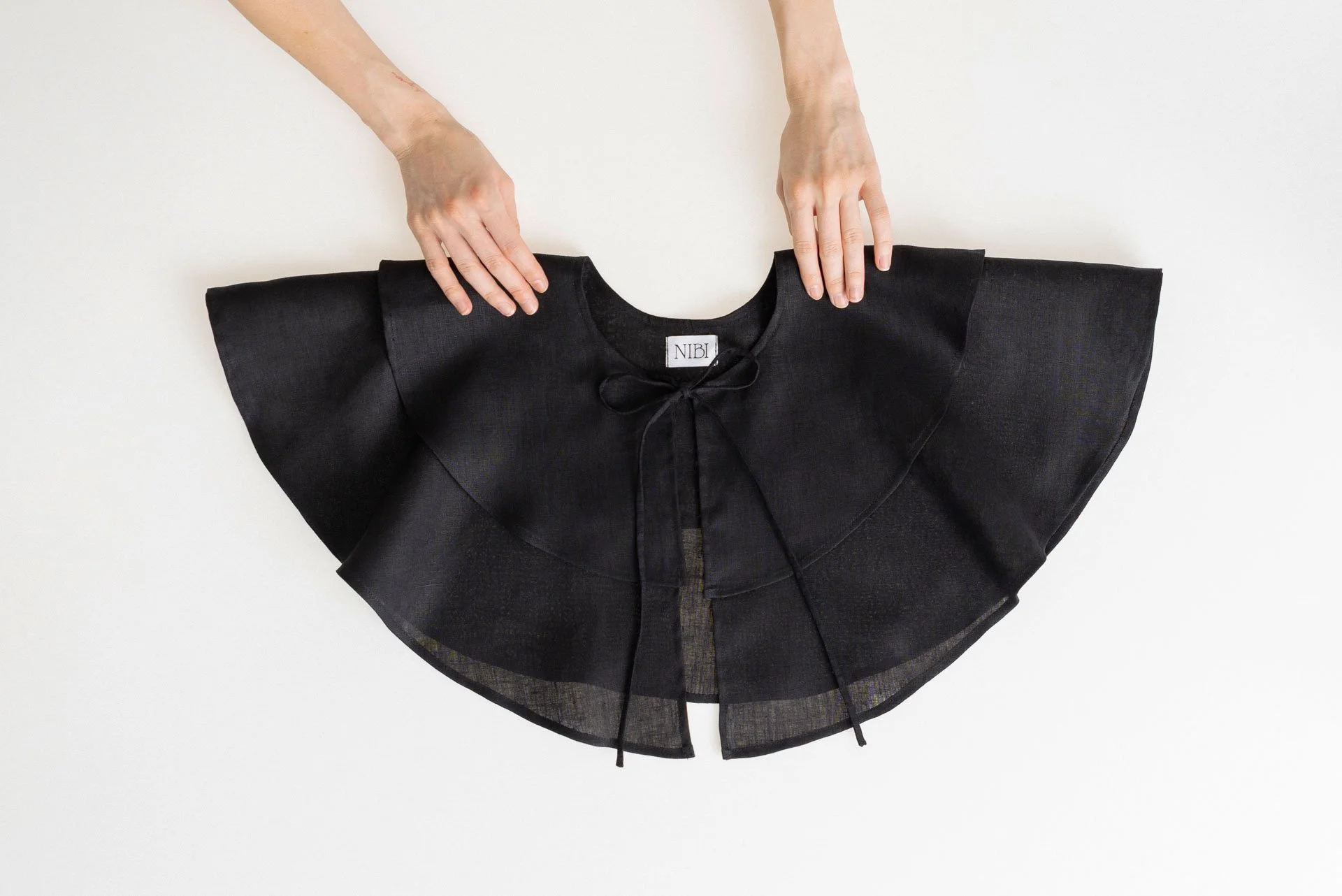
Quality Over Quantity: Slow fashion prioritizes well-made clothing that lasts longer. This means choosing pieces made from durable materials and with careful attention to detail. Investing in quality garments reduces the need for constant replacements, ultimately saving resources and money. It also nurtures a deeper connection with your wardrobe, as each piece is chosen with purpose and care.
Sustainable Production: Slow fashion brands often use eco-friendly materials and sustainable production methods. This reduces the environmental impact of clothing manufacturing. By opting for organic, recycled, or biodegradable materials, these brands minimize their carbon footprint. In addition, sustainable production often involves techniques that conserve water and energy, further contributing to environmental preservation.
Ethical Labor Practices: Supporting brands that provide fair wages and safe working conditions for their employees is a key component of slow fashion. Ethical labor practices ensure that workers are treated with dignity and respect, fostering a more humane and equitable industry. This ethical focus also encourages transparency, allowing consumers to make informed choices about the brands they support.
Timeless Style: Slow fashion emphasizes classic styles that don't go out of fashion. This reduces the need to constantly update your wardrobe. By focusing on timeless designs, slow fashion promotes a sense of personal style that transcends fleeting trends. This approach not only simplifies wardrobe management but also nurtures a more thoughtful relationship with fashion.
Conscious Consumerism: Slow fashion encourages consumers to think critically about their purchases, considering the impact on the environment and society. Conscious consumerism involves questioning the necessity of each purchase and understanding its broader implications. This mindset fosters a more intentional approach to fashion, aligning consumer values with their buying habits.

Why Slow Fashion Matters
The fashion industry is one of the largest polluters in the world. Fast fashion, characterized by rapid production and low prices, contributes significantly to this problem. It leads to overconsumption, waste, and exploitation of workers. Slow fashion offers a more sustainable alternative, addressing these issues with a focus on long-term solutions and responsible practices.
Environmental Impact
Fast fashion relies on mass production, often using cheap, synthetic materials that are harmful to the environment. These materials can take hundreds of years to decompose, filling landfills and polluting ecosystems. In contrast, slow fashion promotes the use of natural and biodegradable materials, reducing the carbon footprint of clothing. By prioritizing sustainable materials, slow fashion reduces the demand for harmful production processes and encourages the development of innovative eco-friendly alternatives.
Moreover, the emphasis on durable, high-quality garments reduces waste by extending the lifecycle of each piece. This approach not only minimizes landfill contributions but also conserves the resources required for new production. Slow fashion's commitment to eco-friendly practices represents a significant shift towards a more sustainable and responsible industry.

Social Impact
Many fast fashion brands outsource production to countries with lax labor laws, resulting in poor working conditions and unfair wages for workers. Slow fashion advocates for ethical labor practices, ensuring that everyone involved in the production process is treated with respect and paid fairly. By supporting slow fashion, consumers contribute to a more equitable and humane industry, where workers' rights are prioritized.
Ethical labor practices in slow fashion also promote transparency and accountability. Brands that adhere to these principles often share detailed information about their supply chains, allowing consumers to make informed decisions. This transparency builds trust and encourages a more responsible approach to fashion production and consumption.
Economic Impact
While slow fashion pieces may come with a higher price tag, they are an investment in quality and longevity. By choosing well-made clothing, consumers can save money in the long run, as these pieces last longer and require fewer replacements.
Slow fashion may ask for more upfront, but it gives back in time. Each piece is created to endure, to be worn, lived in, repaired, and loved. When we choose garments made with intention and quality, we step away from the cycle of constant replacement and into a quieter, more considered way of consuming. Over time, this becomes not just a sustainable choice, but a wiser one, honoring longevity over excess, and presence over impulse. This economic perspective highlights the value of investing in quality over quantity, fostering a more sustainable approach to personal finances as well.
Furthermore, supporting slow fashion brands contributes to the growth of a more sustainable economy. These brands often prioritize local production and small-scale operations, stimulating local economies and reducing the environmental impact of global supply chains. By choosing slow, we help shape an economy rooted in ethics, transparency, and respect, for the hands that make our clothes, and for the world we move through.

How to Embrace Slow Fashion
Transitioning to a slow fashion wardrobe doesn't happen overnight, but small changes can make a big difference. Here are some steps to get you started on the path to a more sustainable and mindful approach to fashion.
Assess Your Wardrobe
Take a close look at your current wardrobe. Identify pieces that you wear frequently and those that never see the light of day. Consider why you don't wear certain items—are they uncomfortable, out of style, or poorly made? Use this information to guide future purchases, focusing on pieces that align with your style and values.
Organizing your wardrobe can also provide insights into your buying habits and preferences. By understanding what works for you, you can make more informed decisions and avoid impulse purchases. This assessment is the first step towards building a wardrobe that reflects your personal style and commitment to sustainability.
Choose Quality Pieces
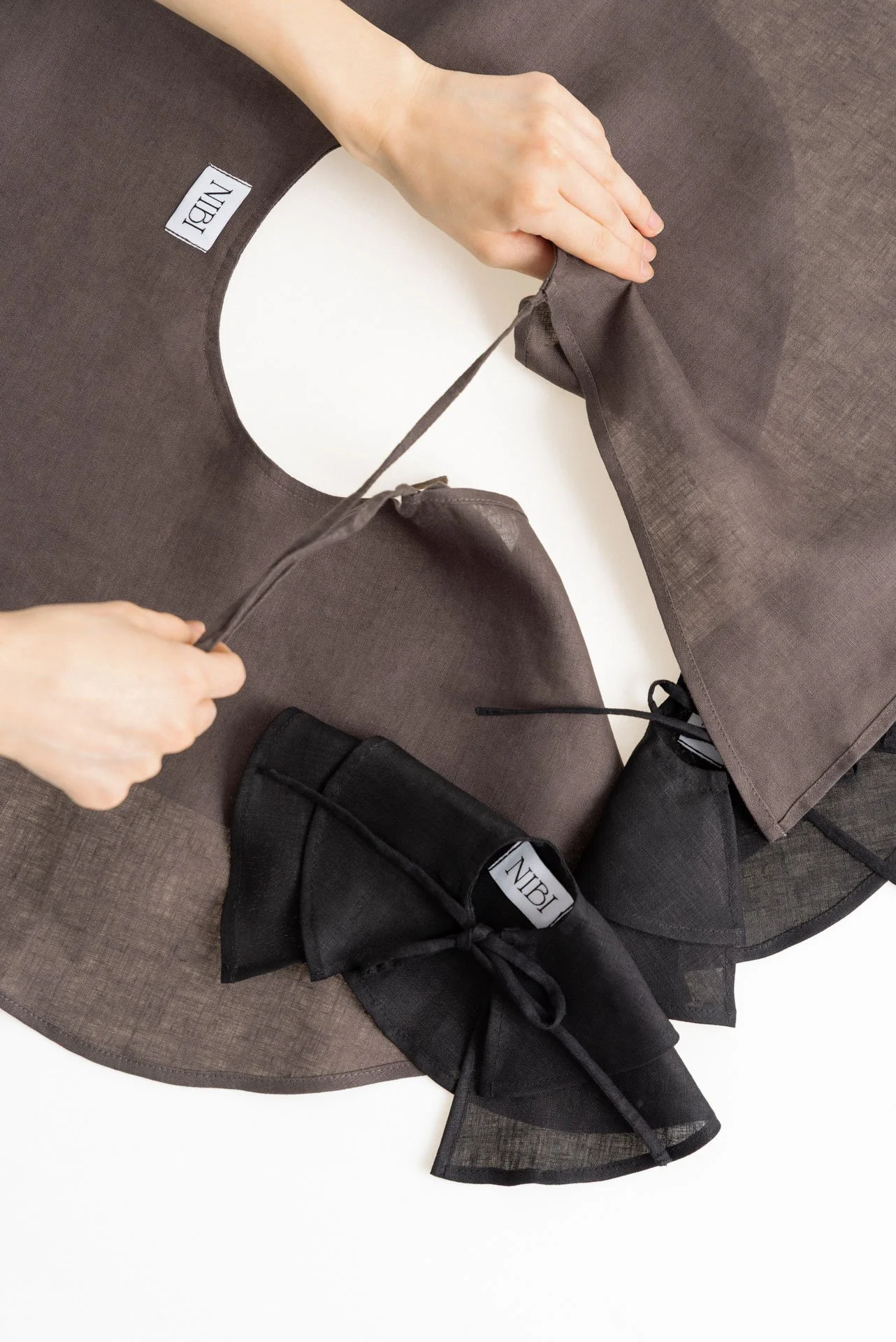
When shopping, prioritize quality over quantity. Look for garments made from durable materials like 100% cotton, 100% linen, or wool. Pay attention to the stitching and construction of the clothing to ensure it will stand the test of time. Quality pieces may be an investment initially, but their longevity and versatility offer greater value.
Recognizing quality craftsmanship and materials will empower you to make informed choices and appreciate the artistry involved in creating each garment. By prioritizing quality, you contribute to a more sustainable and rewarding fashion experience.
Care for Your Clothes
Caring for your garments is a way of honoring the time, hands, and materials behind them. Simple acts like washing with intention, storing pieces thoughtfully, tending to small repairs, can greatly extend the life of what you wear. In choosing to care, rather than replace, you allow your clothes to age with you, becoming part of your everyday rhythm.
Learning small mending skills, like reattaching a button or repairing a gentle tear, reconnects you with your wardrobe. It transforms clothing from something disposable into something personal. Choosing low-impact laundry practices—washing in cold water, air drying, and reducing frequency—further softens your footprint on the planet. At Nibi, we see care as an essential part of slow fashion: a quiet, ongoing relationship between you and the pieces you choose to keep.
Read our care instructions

Conclusion
Slow fashion is a practice of choosing with care, toward the planet, toward the people behind each garment, and toward your own sense of self. It invites you to build a wardrobe that feels aligned, lived-in, and loved, rather than rushed or disposable. This journey isn’t about doing everything right; it’s about moving with awareness. Each thoughtful choice, no matter how small, carries weight.
As you navigate the world of slow fashion, pause with your decisions. Ask how they reflect what you value and how you wish to move through the world. Change doesn’t happen all at once—it unfolds through intention, repetition, and care. One garment, one decision, one step at a time. And in that slowness, something more lasting begins to take shape.
At Nibi, we choose slowness, craftsmanship, and care, inviting you to be part of a more conscious way of dressing.