
What are Deadstock Fabrics? Why they matter in sustainable fashion
Last updated: December 2025
Deadstock fabrics are unused or leftover textiles from fashion production that would otherwise go to waste. In sustainable fashion, using deadstock materials helps reduce overproduction, landfill waste, and unnecessary resource use.
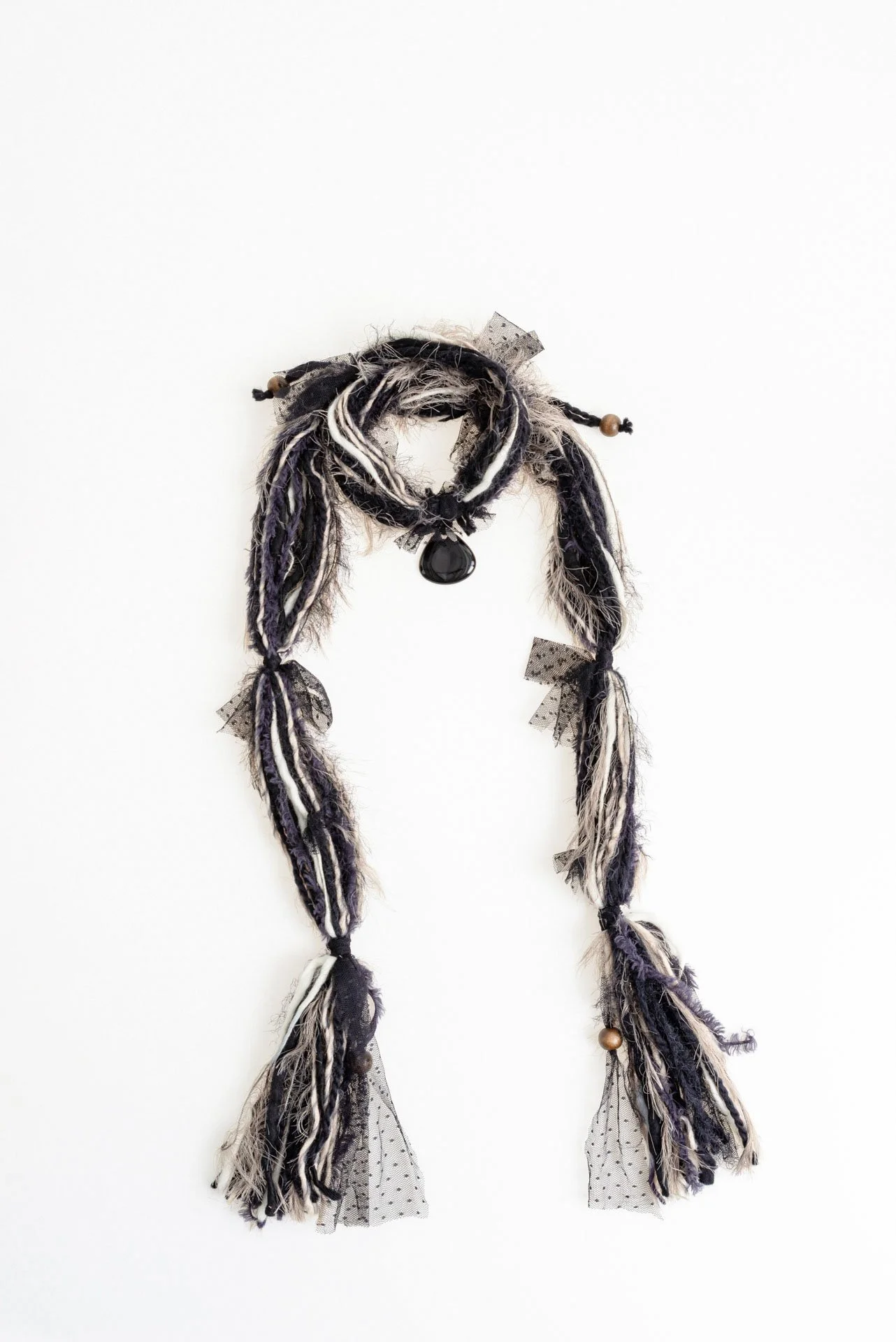
Giving Fabric a Second Life: The Power of Deadstock
At Nibi, sustainability is not just a trend — it’s a responsibility. One of the ways we embrace this philosophy is by working with deadstock fabrics. These are leftover or surplus textiles from mills and fashion houses that would otherwise end up as waste. By giving them a second life, we transform forgotten materials into timeless garments, ensuring beauty doesn’t come at the cost of the planet. Most importantly, no new water, dyes, or energy are needed to produce them — making deadstock fabrics one of the most resource-conscious choices in fashion.
What Are Deadstock Fabrics?
Deadstock fabrics are unused, surplus, or overproduced textiles from larger manufacturers or fashion houses. Instead of being discarded, these high-quality materials are rescued and repurposed by independent designers and sustainable brands like Nibi.
Why Deadstock Fabrics Are Sustainable
Waste Reduction: Using deadstock helps keep textiles out of landfills.
Resource Conservation: No new water, dyes, or energy are needed to produce them.
Circular Fashion: It extends the life cycle of materials, giving them new purpose.
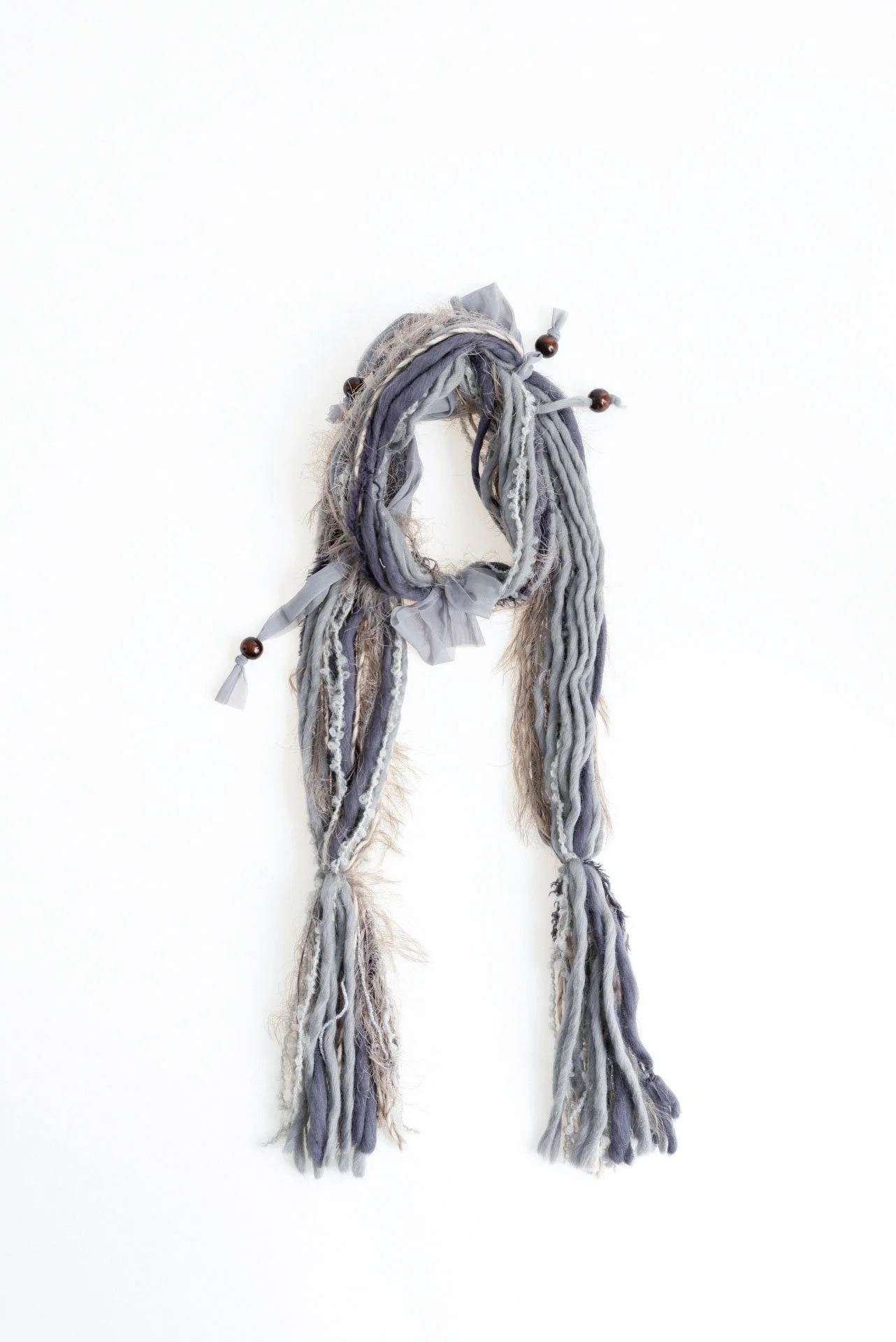
Slow Fashion and Deadstock Materials
Deadstock fabrics align perfectly with the slow fashion movement, where quality, longevity, and respect for the environment come before mass production. Each piece becomes unique, since fabric quantities are limited — ensuring garments are rare and special.
Craftsmanship Meets Sustainability
Working with deadstock requires creativity and craftsmanship. At Nibi, we design limited-edition collections in very small quantities to reduce waste and fight overproduction, carefully shaped by the fabrics available to us. This approach highlights the artistry behind fashion while avoiding unnecessary overproduction. Many of our accessories also feature deadstock fabrics, giving forgotten textiles a new purpose.
The Challenges of Deadstock Fabrics
While deadstock is a powerful tool for sustainability, it also comes with challenges:
Limited stock means designs can’t always be reproduced.
Sourcing requires time and care to ensure fabric quality.
Transparency matters: not all “deadstock” is truly waste. Some fabrics are intentionally overproduced and then sold as “deadstock.” While marketed as sustainable, this practice still consumes new resources like water, dyes, and energy — undermining the real purpose of deadstock.

Deadstock Fabrics and the Future of Sustainable Fashion
Choosing deadstock is a statement against wasteful fashion cycles. It’s a way of saying that creativity thrives within limits, and that sustainability can coexist with elegance, craft, and style. At Nibi, we believe in a future where every garment carries a story — not just of design, but of responsibility.
Discover Nibi accessories crafted with care — many featuring carefully sourced deadstock fabrics. Each Scarf and Neckpiece is one of a kind, making them unique and reducing waste and overconsumption.