
The Nibi Library: The Consumption Of The Female Intellectual
Nibi’s Introduction:
Lately, it feels impossible to separate women from the fantasies projected onto them, the idea of her, what she represents, what she “should” be.
Especially women who think, create, write, observe. Somewhere along the way, intellectual women became consumable. A concept. A moodboard. A “type” of girl. An aesthetic to perform for a little while before the next trendy book fills up your Pinterest Homepage.
We inherit fragments of women before we ever encounter the fullness of who they are or their work. And maybe that is what feels unsettling about this moment online, how quickly women become flattened into something visually digestible. Desired. Recreated. Discarded.
Meet Nibi’s Resident Writer
For this entry of The Nibi Library, we invited Camila Canet, founder of Not Ur Mom’s Book Club, to write about the consumption of the female intellectual, and the current space where literature, femininity, identity, and performance begin to collapse into one another.
Written by Camila Canet, The Nibi Library, May, 2026:
Young women’s aesthetics are adored, copied, multiplied, and discarded at a speed quicker than a Hinge-born situationship. Somewhere between Pinterest moodboards, TikTok doomscrolling, and the “trend of the week,” we have become complicit witnesses to the slow transformation of women writers into something other than authors: archetypes to inhabit for a little while, identities to perform until they are no longer fashionable to wear.
And here I present the holy trinity of the literary cool girl: Joan Didion, Eve Babitz, and Sylvia Plath. We love them, we love reading them and if we can be honest for a bit we love understanding ourselves through them.
The Joan Didion girl.
The Eve Babitz girl.
The Sylvia Plath girl.
The Anaïs Nin girl.
The Clarice Lispector girl.
The Susan Sontag girl.
And the list goes on…
Womanhood Is Flattened Into Recognizable Fragments
We love a cool literary woman because, well, we love an aesthetic. An aesthetic offers one of the few socially acceptable ways femininity can be expressed, understood, and rewarded online. Womanhood is flattened into recognizable fragments, intelligence softened into something visually digestible language. A woman is no longer simply herself; she becomes a type of girl. Literature, then, becomes part of a visual language of femininity, one that signals melancholy, sensitivity, artistic depth, cultural fluency, taste.
And often, the dance of performance matters more than the reading itself.
Women Writers Stopped Being Read and Started Being Consumed
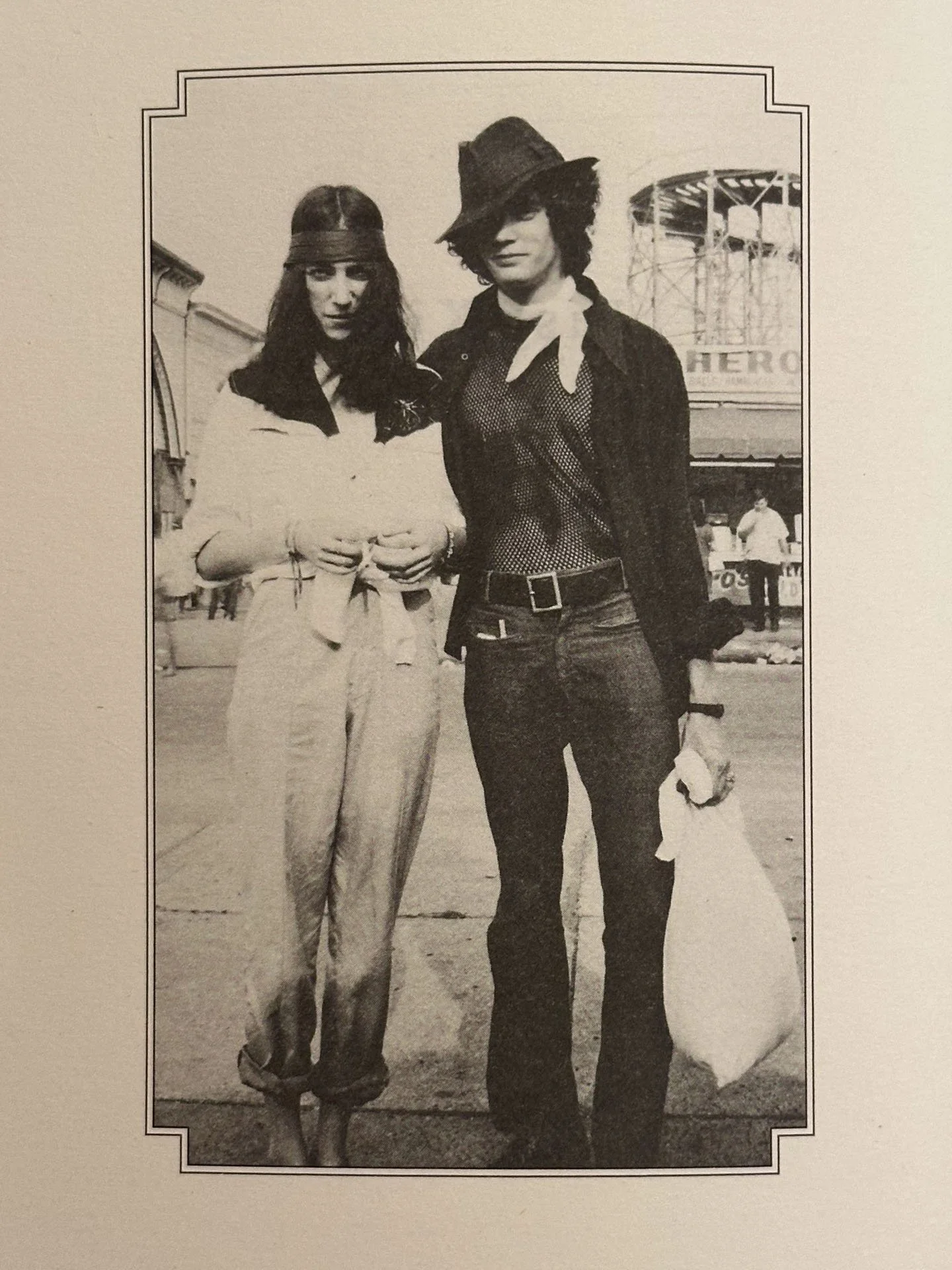
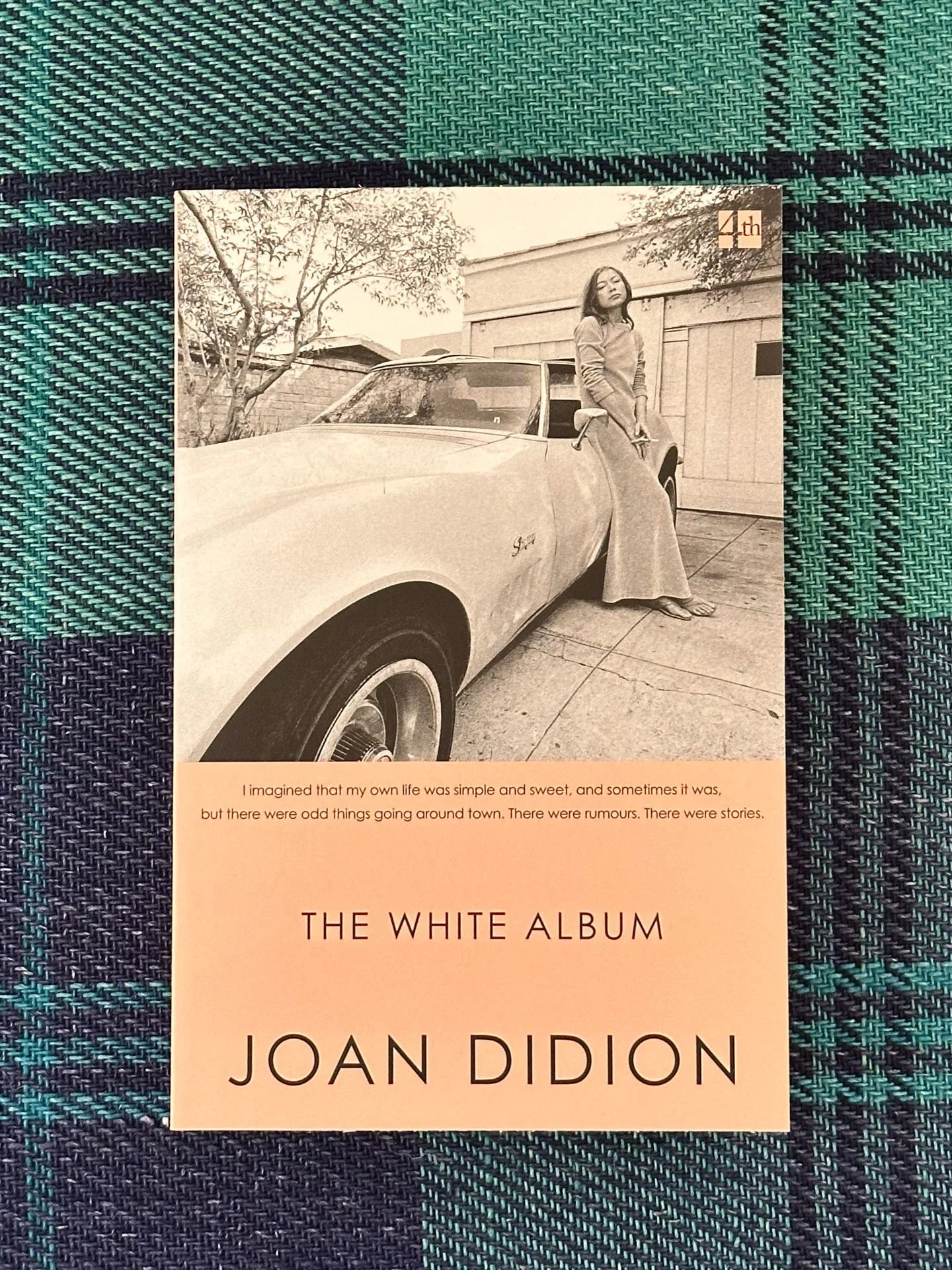
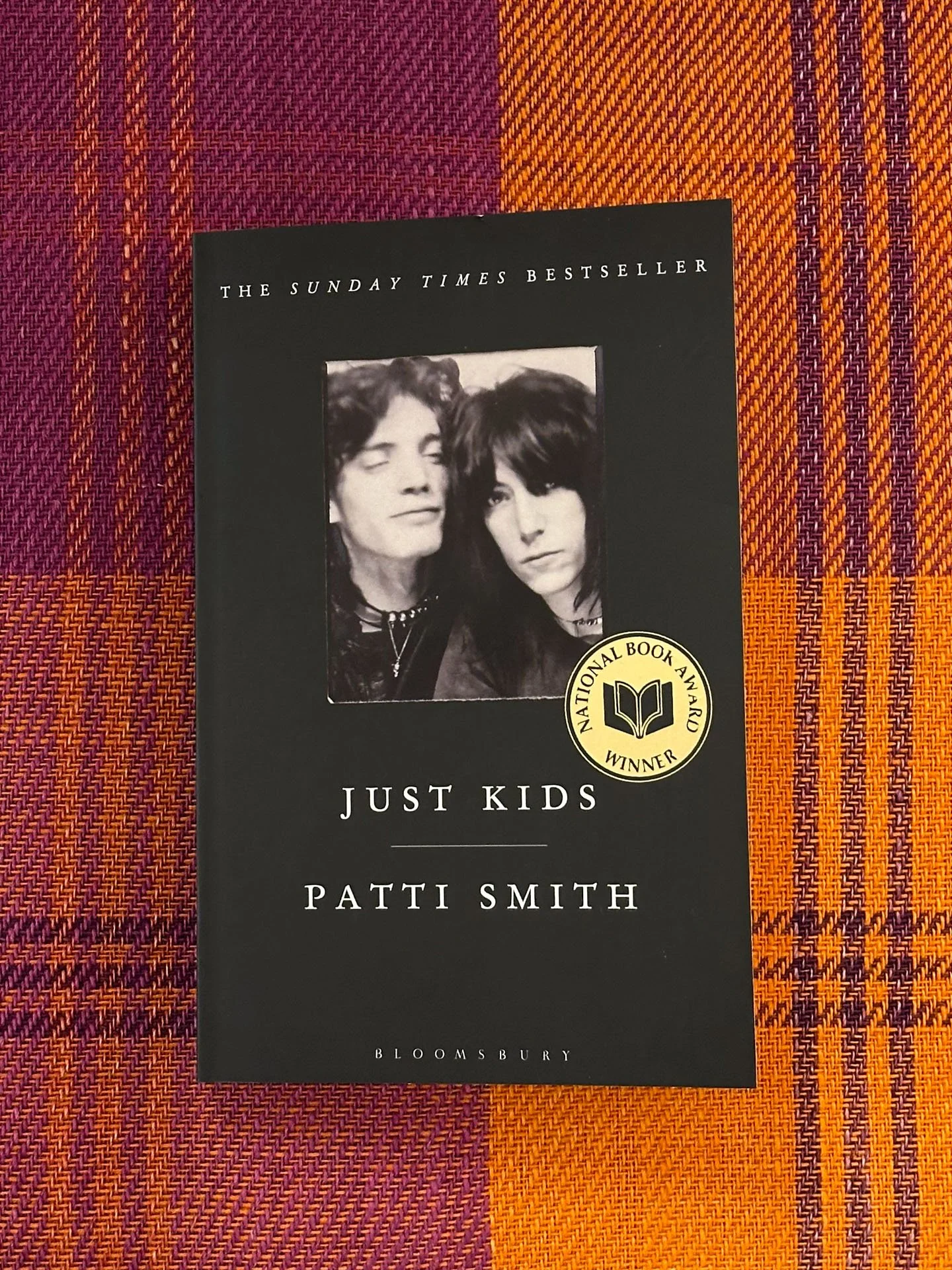
A photograph of Joan Didion smoking in oversized sunglasses circulates online with more familiarity than her essays. Eve Babitz survives in cultural memory as the patron saint of beautiful chaos: Los Angeles, sex appeal ,the roowdy 70s. Patti Smith is endlessly reshared though through grainy polaroids,clips of interviews, and downtown romanticism. Their images drift through the internet untethered from the work that made them iconic in the first place.
Somewhere along the way, women writers stopped being read and started being consumed.
Inseparable From The Mythology Constructed Around Them.
There is something deeply gendered about the way female authors are remembered culturally. Male writers are still largely allowed to exist as thinkers. They can be brutes and barbarians, difficult intellectuals, ugly in both appearance and behavior. They can lash out, disappear, take many lovers and bear no children, be emotionally absent, and still be revered as nothing more and nothing less… than writers. Their genius alone grants them mystique.
Women writers, meanwhile, are dissected through every possible lens surrounding the work. The lipstick. The lovers. The cigarettes smoked while writing. The parties. The photographs they left behind. Their books become inseparable from the mythology constructed around them.
Didion becomes cool detachment.
Babitz becomes glamorous chaos.
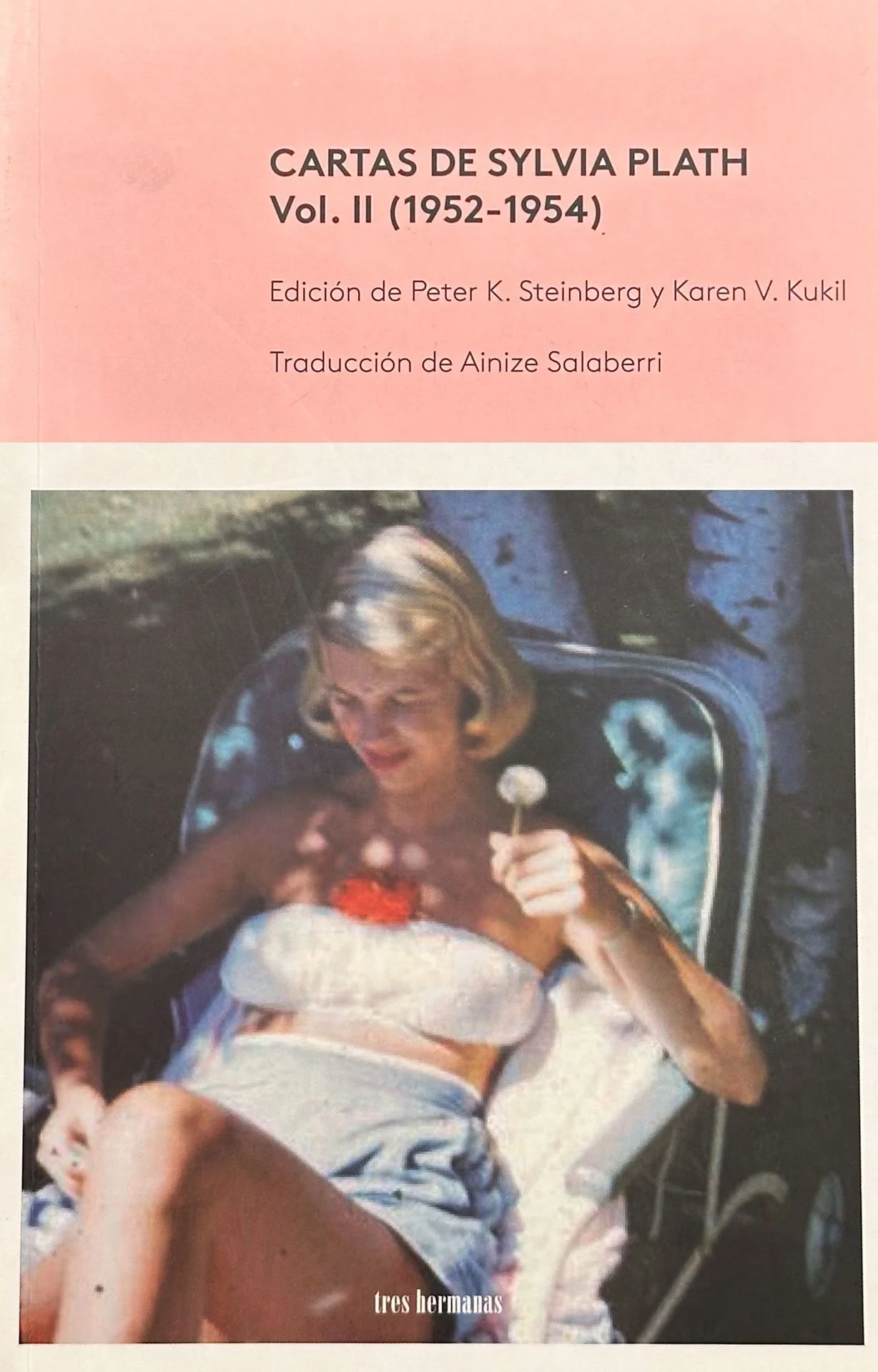
Sylvia Plath becomes a tale tragic girlhood itself.
Resistance Of Systems That Attempted to Flatten Fhem Into Consumable Fantasies
The bitter irony, of course, is that many of these women spent their careers resisting simplification. Resisting performance. Resisting the very systems that attempted to flatten them into consumable fantasies.
And yet we are seing their work so often filtered through men: Patti Smith through Robert Mapplethorpe, Didion through John Gregory Dunne, Plath through Ted Hughes, Babitz through half of Los Angeles mythology. Again and again, discussions around these women orbit not simply around what they created, but around how they fit into the desires, projections, and narratives of the men surrounding them. Many of these women were artists whose work was dismissed, reshaped, interrupted, or misunderstood by men at different moments in their careers. And despite this, they often outperformed, outlasted, and persevered beyond those same men. The journey simply demanded more detours, more patience, more self-invention. More talent, perhaps.
But even now, conversations surrounding women writers tend to orbit around persona before prose. We ask not only what they wrote, but what kind of woman they were. Were they beautiful? Difficult? Seductive? Self-destructive? Fun at parties? Did they successfully embody the mythology expected of them?
Because perhaps the “female writer” online today is really just another extension of a more familiar cultural figure: the it-girl.
Simultaneously Aspirational and Profoundly Artificial.
To be revered as a woman writer often requires becoming aesthetically legible first. The female intellectual must also be stylish, intriguing, photogenic, culturally marketable. She may push boundaries, but never too far; remain intelligent, but still desirable; politically aware, but not disruptive enough to threaten the very structures profiting from her image in the first place.
It seems like exhausting work, this endless polishing and performance of the self alongside artistry.
And maybe that is why the literary it girl feels simultaneously aspirational and profoundly artificial. She is an impossible construction: artist and muse, intellectual and object, flesh-and-blood woman and cultural fantasy all at once.
God forbid a woman simply exist as human.
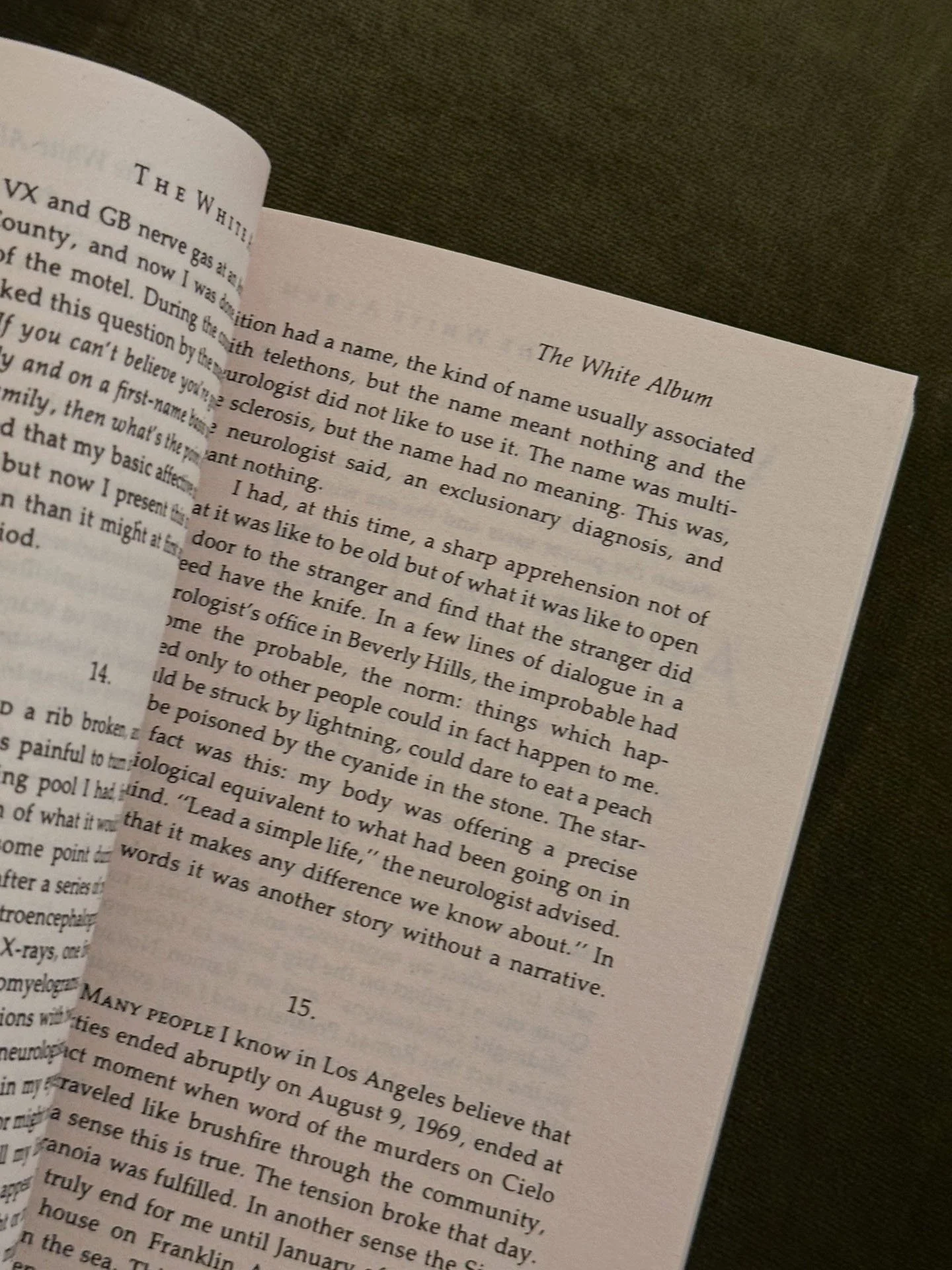
Still, it would be too easy to dismiss aesthetics altogether. These authors understood image deeply. Didion cultivated visual coolness with precision while writing about fragmentation, grief, and emotional instability in her essays in The White Album. Patti Smith blurred the line between art and selfhood, turning devotionto the craft into something almost spiritual in Just Kids. Babitz weaponized glamour, sex, and desire while documenting Los Angeles with sharp intelligence in Slow Days, Fast Company.
Their style was never separate from the work. It was part of it.
First Through Fascination, Then Through Intimacy.
The problem begins when the image replaces the art. When quotes become captions rather than invitations into entire bodies of work. When carrying the book matters more than opening it. Still, perhaps there is something hopeful hidden inside all this performance. Maybe aesthetics are simply how readers arrive at literature now. Maybe literary obsession has always begun this way: first through fascination, then through intimacy.
To read these women beyond their mythology is to rediscover what made them unforgettable in the first place. Not the doomed love stories or scandalous lives, the outfits or cigarettes, the hotel room, or the carefully curated persona, but the writing itself: difficult, observant, tender, furious, intellectual, and impossible to reduce into a moodboard.
Nibi’s Conclusion: On Image and Substance
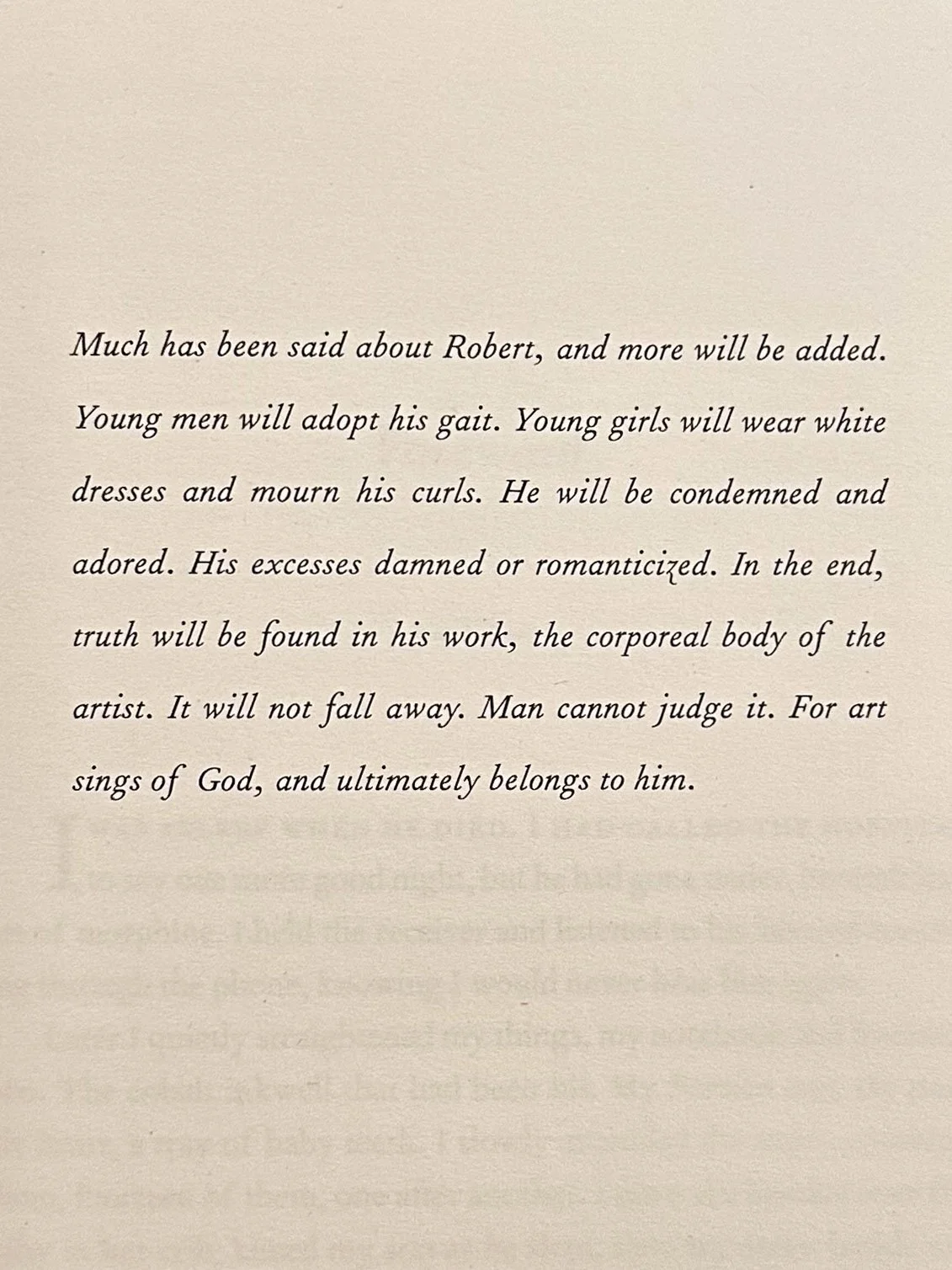
“In the end, truth will be found in his work, the corporeal body of the artist. It will not fall away. Man cannot judge it. For art sings of God, and ultimately belongs to him.” This eloquent way of summarizing our little part in life’s play, embodying the role of artists, reading the script of the universe, written by Patti Smith is the perfect way to close this chapter of The Nibi Library. The thread that runs through Camila’s essay is a poignant reminder of how deeply gendered our cultural memory remains. While male writers are allowed to exist simply as brilliant, difficult, and unpolished thinkers, women intellectuals are too often required to be aesthetically legible, stylish, and culturally marketable first.
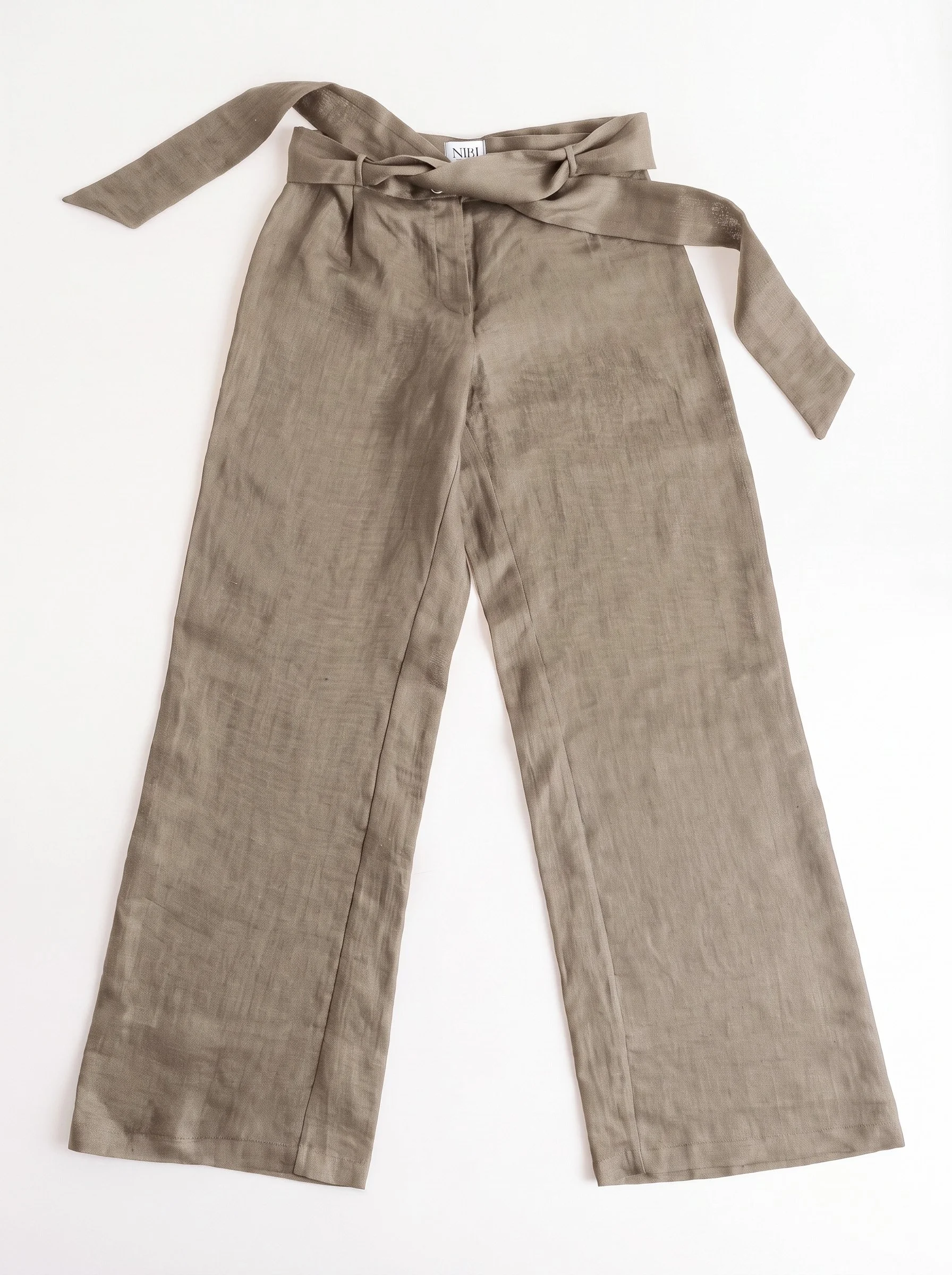
At Nibi, we are deeply interested in this tension between performance and authenticity. We know that style, much like Didion’s visual coolness or Babitz’s weaponized glamour, is never entirely separate from their work; it is a powerful tool of self-invention. But a garment, much like a book cover, is a tool of self expression that is often a window into one’s mind, a deeper story, rather than it being the story itself. The true tragedy begins when carrying the book matters more than opening it, as Cami mentioned in her incredible essay.
To read these women beyond their internet moodboards is to let them tell their own story. And perhaps this is what true literature, much like mindful dressing, can offer us: a departure from impossible, artificial constructions, and a return to the messy, brilliant, and beautifully unfinished reality of who we truly are.
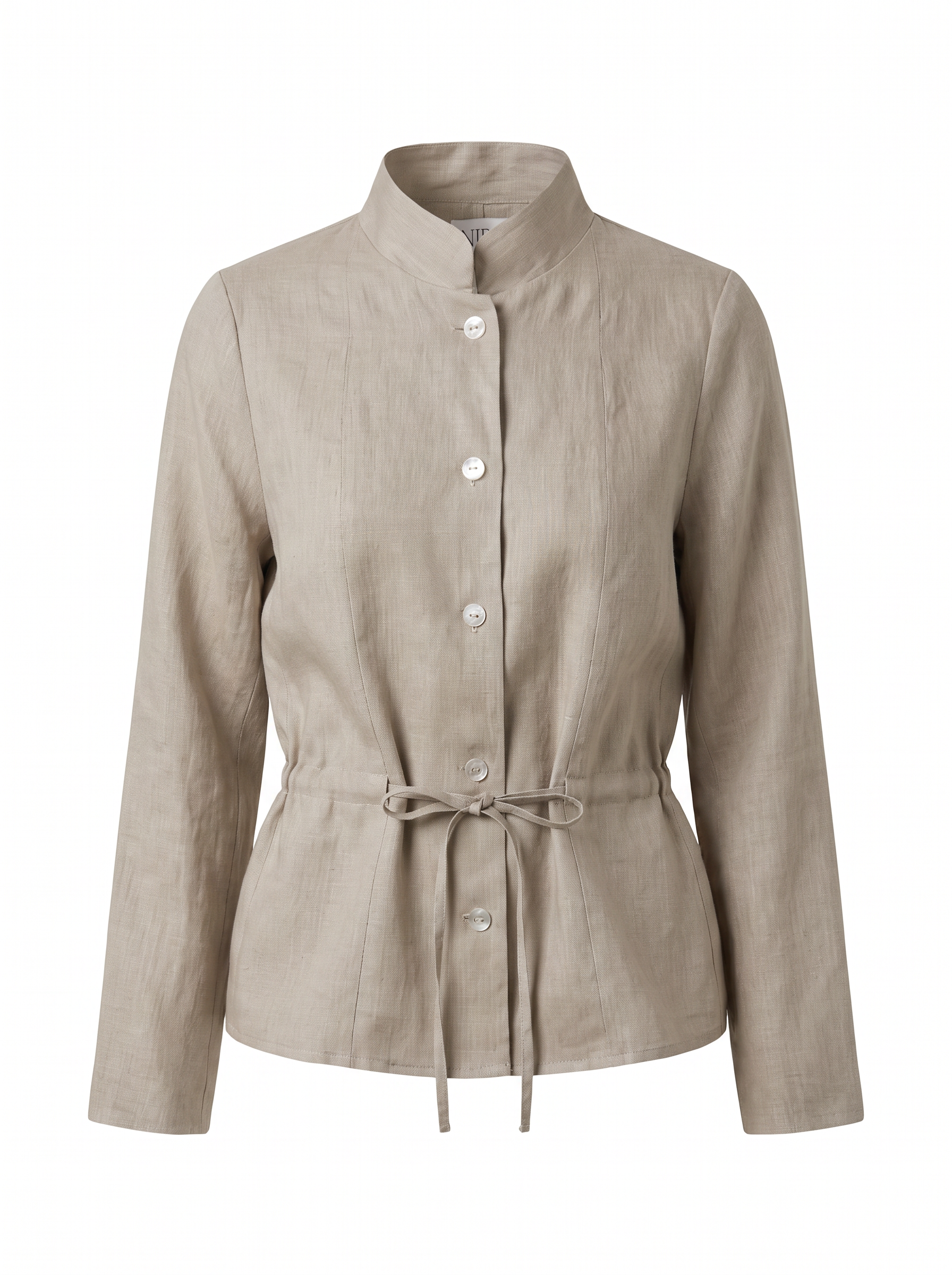
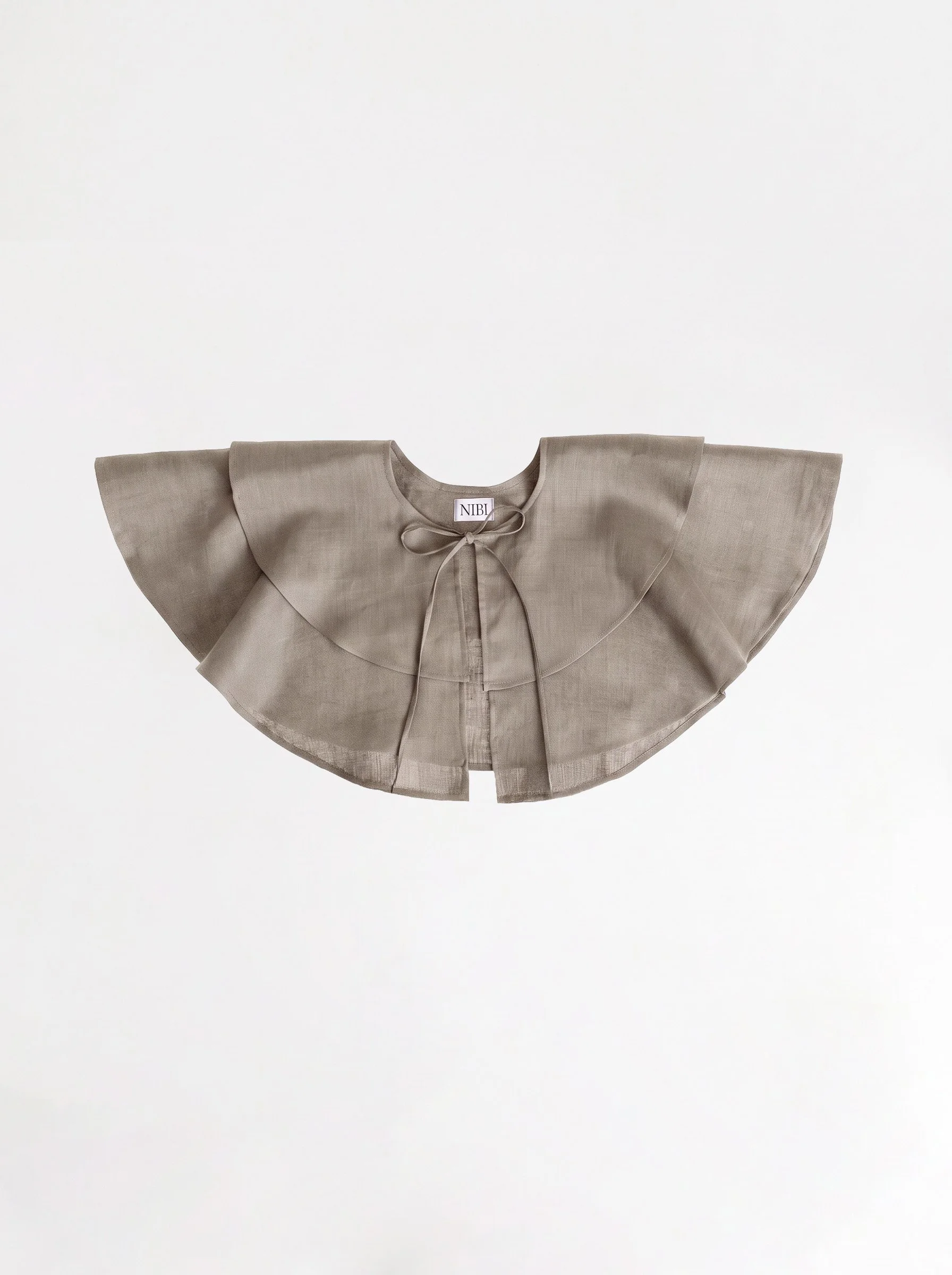
The Genderless Jogalo Jacket in beige linen.
An ode to my grandfather and his uniform jacket he wore almost every day for over 50 years. I remember borrowing it when I was younger, since wearing it felt like one of his hugs.
Named after his lifelong nickname, “Jogalo,” this piece carries a small part of his story into Nibi, our mother-daughter studio.
Handmade in México, to honor our heritage, entirely from the highest quality 100% double-lined linen, the Jogalo Jacket is a genderless everyday piece designed for comfort, function, and longevity. It features a functional exterior pocket, a hidden inside pocket, a double zipper for versatile styling and a matching 100% linen removable neck collar.
A modern heirloom inspired by the love of 3 generations. From our hands to yours.